
Information On My Dog Aggression Service
I am Chris Rose, and I have been specialising in dog aggression for some years now, carrying out my work in Northamptonshire and across the UK.
Are you witnessing these types of behaviours?
- Still rigid body
- Deep guttural bark
- A forward lunge
- Mouthing, which is applying pressure with teeth, but not biting completely down
- Muzzle punch
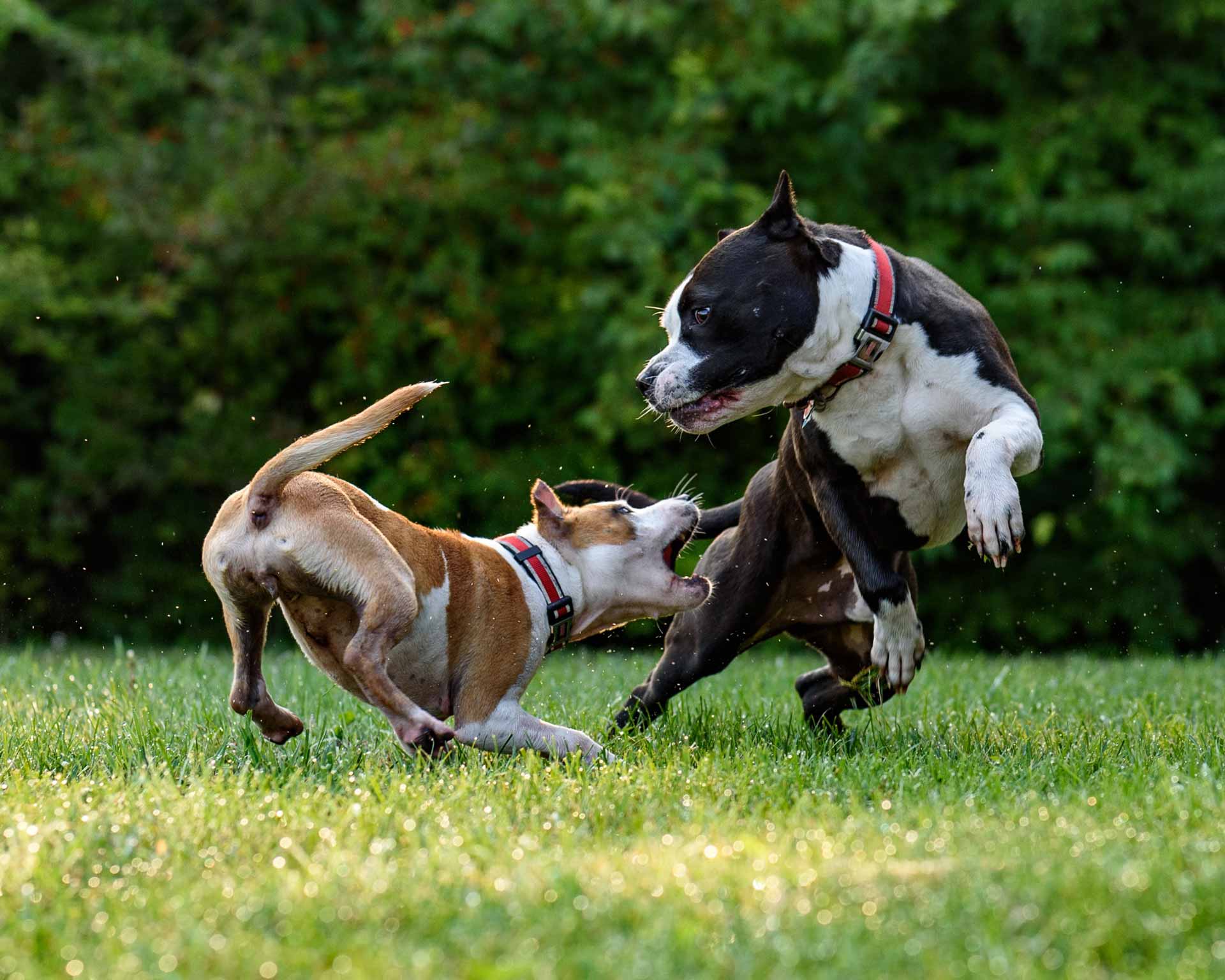
- Growling
- Showing teeth
- Snapping
- Snarling
- Nipping at the skin
- Quick bite that has torn the skin
- Strong bites in a row, with rapid succession
- Biting and shaking
Solution
The trick is to not focus on the aggression, but to work on the underlying triggers or stimulus that is causing this worrying behaviour. Fear is 85% responsible for all my dog aggression cases. So for example how I treat this, is by tailoring a treatment plan to work on making your dog feel more confident and secure, eliminating the need to use aggression.
Are you looking for any of these
Types of aggression
Dominance
Fear
Teritorial
Inter-male issues
Idiopathic
Maternal
Food
Competitive
Medical
Protection
Price depends on age, where raised and who the aggression is towards
Adolescent dog (30weeks – 18months) Starting from £350
Adult dog (18months +) starting from £400
Senior dog (8yrs +) Free advice and then starting from £350
Re-homed 30wks – 18months (with history & raised in the UK) starting from £350
Re-homed 18months + (with history & raised in the UK) starting from £400
Re-homed (no history or rescued from outside the UK) starting from £450
Dog pack aggression (Dogs within the same household) Starting from £450
Keys things we will cover
Correctly identifying the triggers/stimulus that is causing your dog to display aggression.
How to react and respond to the situation in response to your dog’s display of aggression (This is key)
Mentoring you through training methods, at a pace that suits you
Q&A throughout the session to aid the learning. let’s leave no stone unturned
Discussions on alternative equipment, learning resources and strategies
Realistic goals for eliminating, reducing your dog’s aggression (what it’s going to take)
How has it got to this point? How has the past contributed! (Important to know)
Discussions on what else your dog is communicating that needs attention
What to do now/ Process
Firstly, please rule out anything medical first (Is your dog in Pain or could be suffering from Thyroid abnormalities?)
Phone me on 07917164402 to discuss your dog aggression worries and problems
You book and pay through this website for your No1 concern you want help with. Don’t worry if you have others, they will be covered in the price.
Please muzzle train your dog. Not only is this compliant with the law, and gives everyone a piece of mind too.
Practical training session (held at a suitable location to witness your concerns)
Further practical support sessions can be booked at your convenience
Take notes yourself or purchase a follow up report
Support via text, email or phone call after initial session, and for how long you need it.
Follow up session can be booked at your convenience, if you so wish. Hardly ever needed!
FAQs for my dog aggression service
This is all dependant on how much work and effort you put in, but also that’s why it’s so important we chat before booking this service on 07917164402 to give an idea if I can make a difference (the decision is truly on what I believe)
Depending on the type of aggression, will depend on the advice. From the initial call I will have a better idea and can then answer this question in more detail. I am a dog behaviourist who favours not avoiding, but how you can ease the stress through other strategies.
Having all the family available would be hugely beneficial. Including anyone else who would benefit from my advice. consistency is the key when it comes to tackling dog aggression concerns
Yes, I am insured with public liability insurance.
Using the booking form and selecting your availability, should provide you with various time slots and days to choose from. These will include weekends, evenings, bank holidays and days in school holidays too.
I advise taking notes, but you can purchase a report to be provided if you so wish.
I encourage yourself to provide dog training treats to prevent any upset stomachs from your dog after the 121.
This service is over one session, with an optional follow up session, booked and paid separately. A block session lasts for 3 hrs.
You may need to; again, this will be discussed during an initial phone call. It generally isn’t the case though.
There is a 98% of changing your dog’s behaviour, if you are willing to put the time and commitment in. Depending on the problem does depend on the turnaround time. If I felt I cannot help you, I would advise this on the initial call.
Support is provided by text, call or email. Follow up visits can be booked as when you feel you may need one.
There is a separate price package for ‘dog pack aggression’ The fixed fee will cover all the dogs at your home.
If you dog displays any of the behaviours listed in this article, then yes this is the right service for you. Totally satisfied that you don’t have dog aggression issues then please check out my other service options, for instance dog training and puppy training.
If you have owned your dog for under 12 weeks, then I will provide a free 20min call to provide some free advice. If you have owned for more than 3 months, then yes please book this service if you are experiencing of the listed dog aggression behaviours.
I recommend a basket type one. If you are already using a muzzle that isn’t that type, please carry on using that.
Chris spent 3 hours with me, my partner and bear showing us different techniques of how to control his behaviour and to get him to loose lead walk. He also got bear to start interacting with other dogs at the park. By the end of the consultation, he was a Different dog, bear used to constantly pull on the lead, Lunge at other dogs and some people. It made walks such hard work. Chris has given us the tools to totally change that. He has totally filled me and my partner up with confidence on how to successfully change bears bad habits. I would totally recommend Chris to anyone. I also feel that Chris is easy to talk to. Doesn’t judge at all. And is full of knowledge on all aspects where dogs are concerned. Really couldn’t ask for anyone better. Thanks, Chris